
Maxillofacial surgery
Extraction
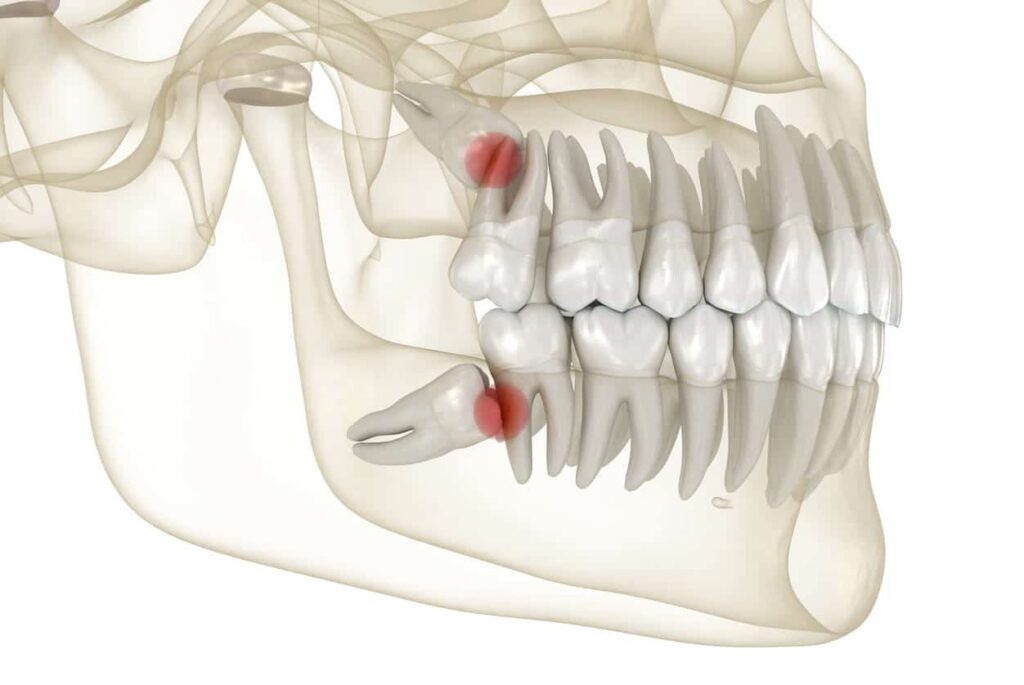
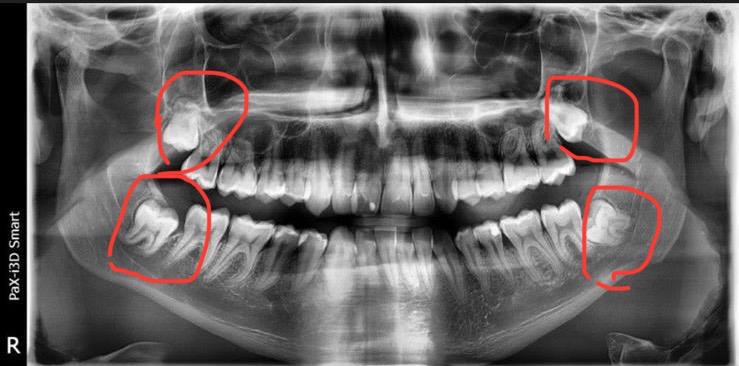
Extraction of wisdom teeth
Teeth are removed due to severe caries, periodontal diseases or due to the fact that they are damaged and non-functional.
Through anesthesia, the surgeon ensures that everything proceeds without stress and pain.
Wisdom teeth are removed when they are impacted, difficult to clean or simply problematic.
It is not recommended to remove all wisdom teeth, but it is recommended that everyone be evaluated by an oral and maxillofacial surgeon before the age of 18, as removals are more difficult in older people and this is due to the poorer healing ability of the body and the increased risk of complications.
Call us today for a free consultation!
Implants
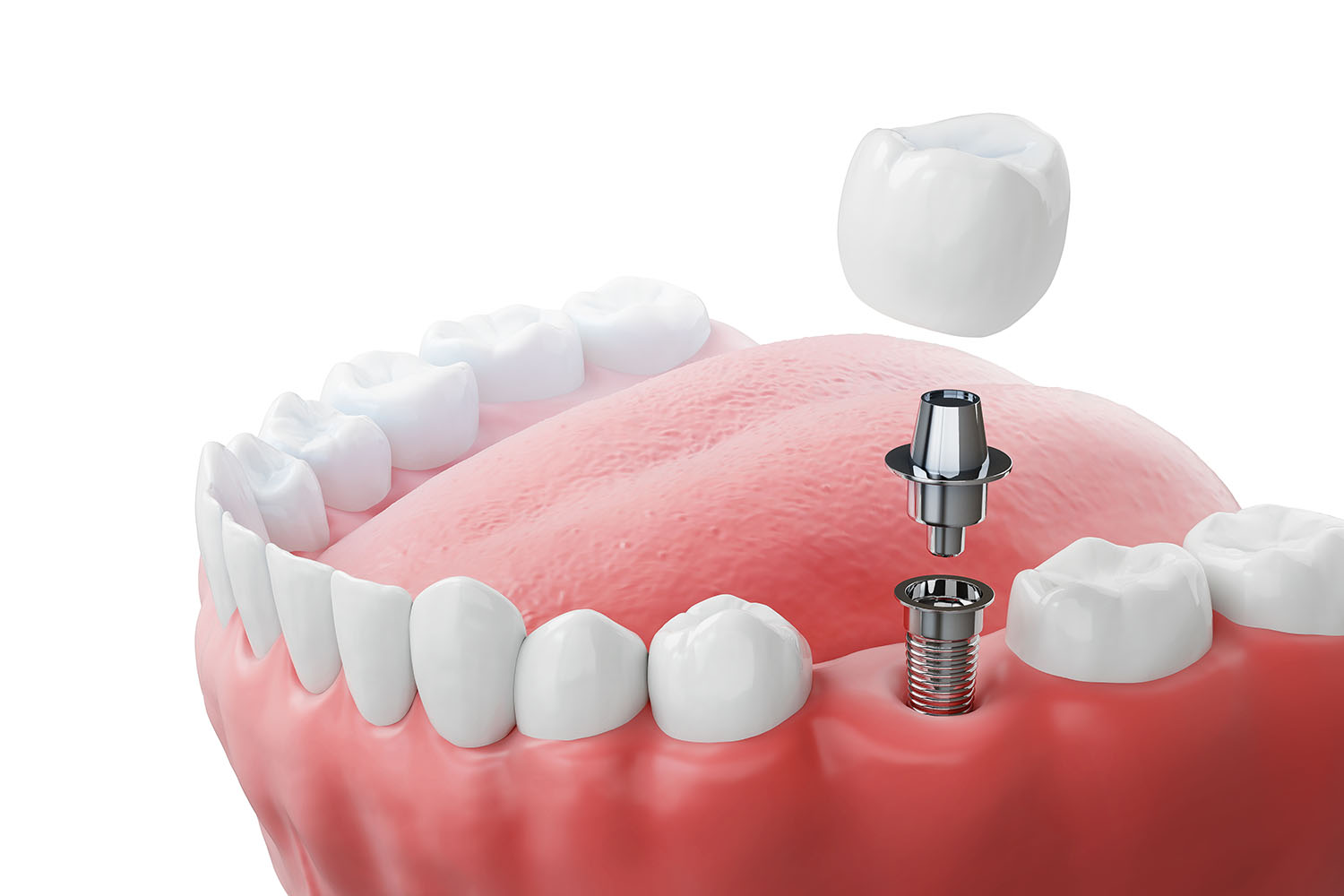
Dental implants
Dental implants are the standard of care for replacing missing teeth and can range from replacing a missing tooth to more sophisticated advanced procedures such as replacing multiple teeth or the entire dentition.
Bone addition and jaw reconstruction
After teeth are lost (perhaps due to extractions, trauma, or tumors), it is common for the jaw bones to resorb. Bone grafting and reconstruction are intended to restore the jaw bone to allow for a normal appearance and provide bone for the dental implants placed.
Bony additions can range from:
- simple procedure in which we place the bone graft after the extraction of a tooth,
- in more advanced grafts to widen or increase the height of a jawbone
- to major reconstruction of the entire jaw due to severe atrophy.
Full Arch
Rehabilitation
Also known as all-on-four or all-on-six. The most sophisticated level of dental implants in which the teeth of an entire jaw are replaced with dental implants in collaboration with a restorative dentist or a prosthetist, so that the new prosthesis is fixed and can only be removed by the dentist. Precision is required for implant position for ideal function. The result? A major improvement in quality of life.
Orthognathic Surgery
Some people have discrepancies between the jaw bones:
- the upper jaw can be small in relation to the lower jaw, it can be narrow, it can be longer.
- the lower jaw may be too large or too small in relation to the upper.
These discrepancies can lead to bite problems, including:
- cross occlusion
- reverse occlusion
- covered occlusion
Also, aesthetic problems such as:
- gummy smile (This refers to a smile where the upper lip rises too much, exposing much of the gum, which can affect self-confidence and the overall aesthetic appearance of the smile)
- small chin,
- very big chin,
- little smile,
- much reduced facial middle floor (drowned face).
Some people who have these bone deficiencies are prone to obstructive sleep apnea syndrome.
Oral Pathology
Cysts and benign tumors can affect the upper or lower jaw; they may be associated with included teeth or may occur independently.
Dr. Fene uses his minimally invasive surgical techniques to treat these conditions solving the problem with as little surgery as possible.
Dr. Fene does not treat malignant or pre-malignant tumors (such as oral cancer), but it has helped patients find the specialized care they need, so feel free to contact us and we can guide you.