
Bone Addition
Bone Addition
What is bone addition?
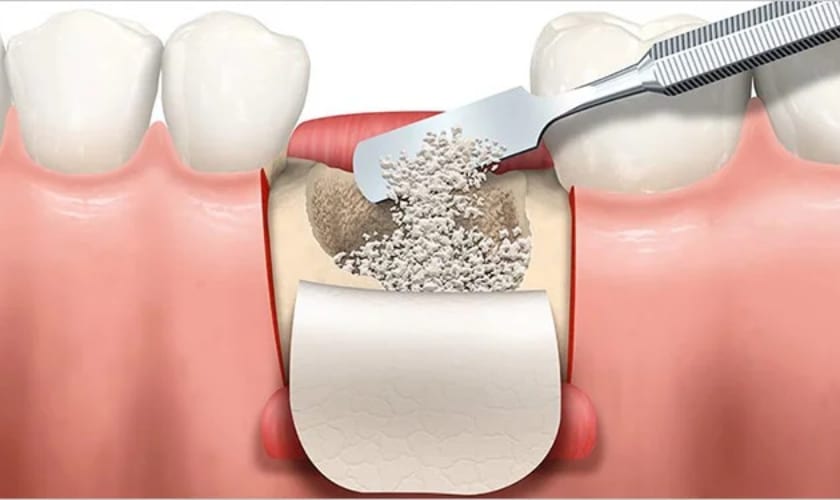
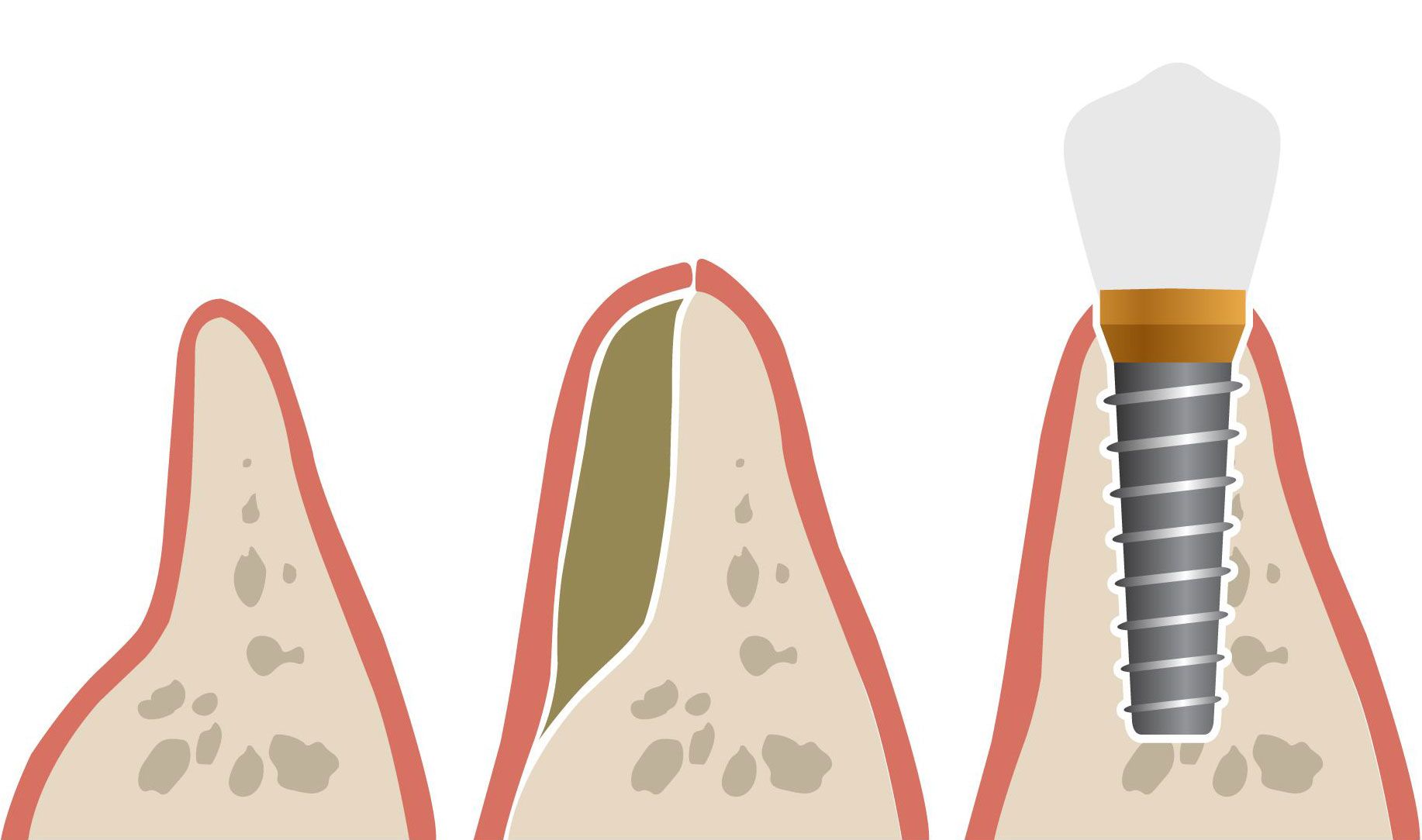
Bone addition or bone augmentation is a medical procedure that restores bone volume affected by tooth loss or damage. When the existing bone mass of the maxilla and mandible is not sufficient to successfully integrate a dental implant, this procedure is used to supplement the amount of bone, in cases where it is not sufficient, and to increase its quality. By adding bone, the integration of the implant and its maintenance in an optimal position is ensured.
Who needs bone grafting?
Bone addition is necessary for people who wish to regain their fixed dentition, through dental implants, to provide them with a solid anchorage. If more time has passed since the loss of the teeth to be replaced with implants, and the bone volume is insufficient, bone addition may be necessary to create a hard and stable structure. Bone has a structural role to provide stability to the dental implant. Bone regeneration is also very important to help the patient regain a natural physiognomy.
What are the causes of bone loss?
There are numerous dental pathologies that can cause a significant amount of bone to be lost and that may require a bone graft. Causes of dental bone loss include:
- dental extraction (after the extraction of a tooth, a process of bone resorption takes place in the alveolus, as a result of which, on average, approximately 50% of the amount of bone is lost within 5 years from the time of extraction);
- oral trauma that has resulted in tooth loss (as in the case of extraction, the removal of the tooth from the socket following trauma will trigger the process of bone resorption);
- periodontal disease (causes the progressive destruction of the ligaments and bone structures that support the teeth).
Some systemic diseases, such as osteoporosis, rheumatoid arthritis or diabetes, as well as factors such as smoking or alcohol consumption, can increase a person's predisposition to dental bone loss or oral conditions. In addition, oral infections, jaw tumors, cysts or long-term denture wear are other potential causes of dental bone loss.
How is the bone grafting procedure performed?
The doctor specialized in oral-maxillo-facial surgery decides which type of graft is most suitable, following a thorough clinical and radiological evaluation, which includes the performance of a dental radiograph and a dental computed tomography, with which a three-dimensional image of the oral cavity is obtained.
Based on this indispensable examination, the volume and quality of the bone tissue is determined and the route of the reconstruction intervention is planned and it can be decided whether the insertion of the dental implant is possible in the same session.
The bone addition intervention is performed under local anesthesia and is painless. An incision is made at the level of the gum and the material used for the bone addition is inserted, with great precision, then it is fixed with the help of a membrane. In the case of the same intervention, most of the time, the insertion of dental implants also takes place. Finally, the doctor will close the incision with sutures.
After the surgery, the doctor will recommend drug treatment to prevent pain in the following days and to eliminate the risk of inflammation and infection. He will also give you the instructions you need to follow to ensure that the healing and osseointegration process will go smoothly
Types of bone addition
There are several types of bone grafting, such as:
- xenograft or heterograft, in which the donor and recipient belong to different species; in such cases, the bone is taken from animals, usually cattle, and processed to be compatible with the human body;
- alloplast, when the bone addition is synthetic, made in the laboratory, and can be used to stimulate bone regeneration;
- autograft, in which the bone is taken from the patient, usually from the area of the mandible or the iliac crest. In this case, being about the own bone, the advantage lies in the fact that the risk of rejection is minimal;
- Allograft, when the bone comes from a human donor, being processed in a laboratory to eliminate any risk.
The procedure of the lift bay
A sinus lift procedure is a common surgical procedure to provide enough bone for dental implant placement.. Sinuses are air-filled spaces located near the nose, above the premolars and upper molars, and under the eyes.
The bone inside the sinuses is lined by a thin membrane. This membrane is raised in sinus lift procedures to create space for bone addition and dental implants. The sinus lift procedure is performed either before or at the same time as the implant placement.
How can a sinus lift procedure help?
When a tooth is lost, the alveolar process begins to remodel. The remaining tooth socket disappears as the bone heals, resulting in an edentulous area called a ridge.
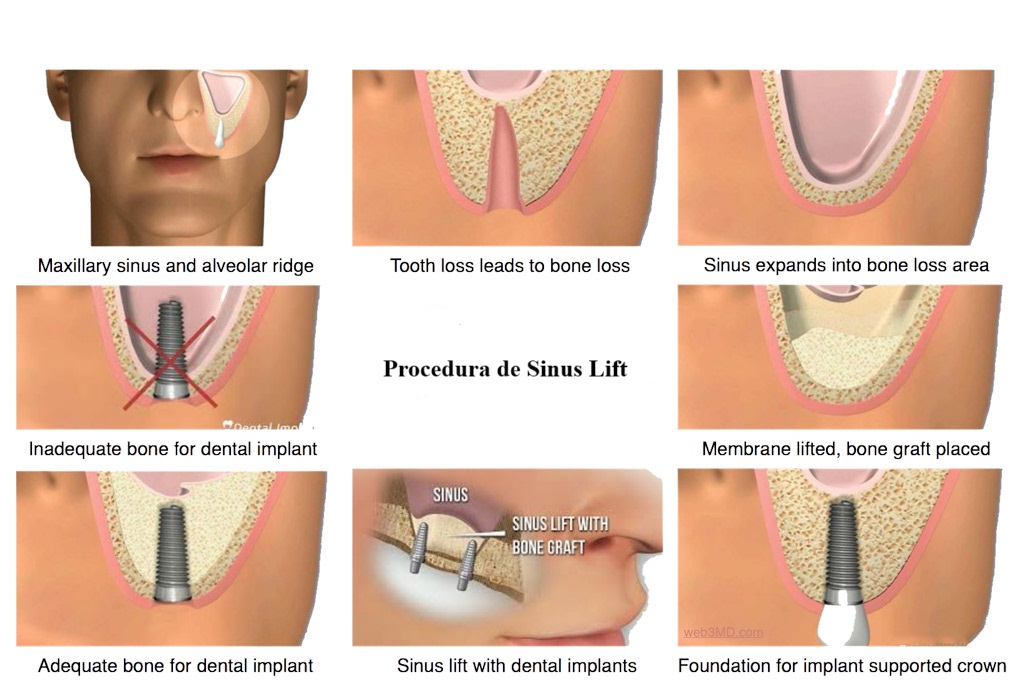
This process causes a reduction in the height and width of the surrounding bone. In addition, when a maxillary molar or premolar is extracted, the maxillary sinus pneumatizes in this region which will subsequently decrease the thickness of the adjacent bone. In general, this leads to a loss of bone volume that is valid for the insertion of dental implants, which rely on osseointegration to replace missing teeth. The purpose of the sinus lift is to graft additional bone into the maxillary sinus, so more bone is available to support the dental implant.
The bone inside the sinuses is lined by a thin membrane. This membrane is raised in sinus lift procedures to create space for bone addition and dental implants. The sinus lift procedure is performed either before or at the same time as the implant placement.
Patients who have the following may be good candidates for sinus augmentation:
- Loss of one or more teeth at maxillary, posterior level
- Loss of a significant amount of bone in the maxilla in the sinus area
- Missing teeth as a result of genetic or birth defects
- Missing most of the maxillary teeth and the need for a complex sinus lift for multiple implants.
How many types of sinus lift procedures are available?
There are two main groups of procedures based on the amount of bone present at the implant site.
Internal sinus lift surgery involves a minimally invasive approach, where access to the sinus is done through the place where the dental implant will be placed.
This procedure is usually indicated for cases where minor bone growth is required, up to 3 millimeters
External sinus lift surgery involves a more extensive approach. Access to the sinus is achieved through a lateral window at bone level, above the upper molars or premolars. The sinus membrane is raised and bone material is placed at the level of the maxillary sinus. Such a procedure is chosen by the doctor when a significant augmentation of the bone is required.
Recovery lasts between 3 and 6 months depending on the complexity of the intervention and the type of sinus lift.
Indicatii dupa sinus lift:
- Oral Hygiene:Patients must maintain good oral hygiene, but avoid aggressive brushing in the operated area.
- Food:It is recommended to eat soft foods and avoid chewing on the operated side in order not to put pressure on the healing area.
- Smoking Avoidance:Smoking inhibits the healing process and should be avoided during the recovery period.
- Avoidance of blowing the nose:Blowing the nose can affect the sinuses and the operated sinus membrane, so it is recommended to use drops as an alternative.